

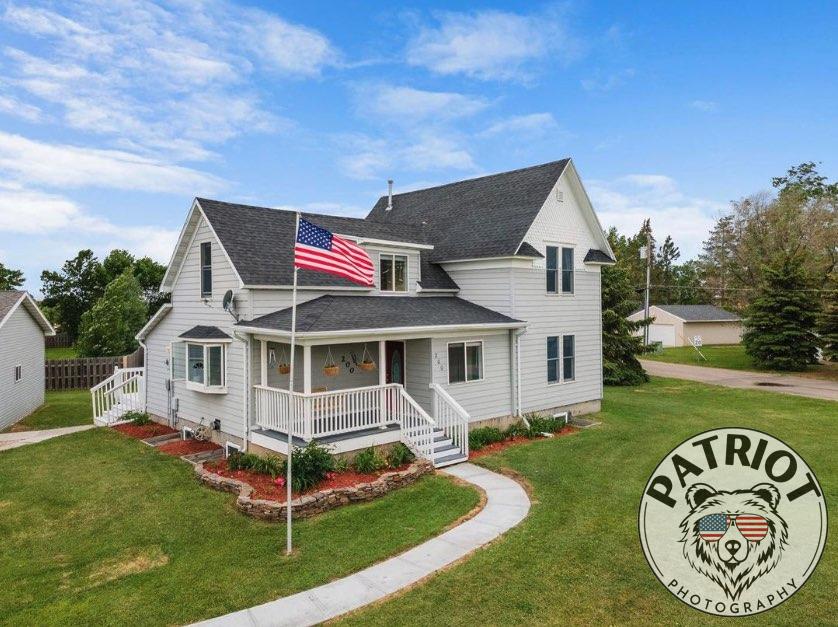
As technology continues to advance, so do the tools available to photographers. One of the most exciting innovations in recent years has been the rise of drone photography. Drones are unmanned aerial vehicles equipped with cameras that can capture stunning aerial imagery from above. In this post, we’ll explore the benefits of using drone photography for architectural photography.
1. Unique Perspectives
One of the most significant advantages of drone photography is the unique perspectives it offers. Traditional architectural photography often relies on ground-level shots, but with drones, you can capture stunning aerial views of buildings and structures. A bird’s-eye view can provide a sense of scale and context that ground-level shots simply can’t match. By using drones, photographers can capture unique and captivating images that stand out from the crowd.
2. Access to Difficult-to-Reach Areas
Drones can provide access to areas that would be difficult or impossible to reach otherwise. For example, drones can capture images of buildings and structures from angles that would be challenging to access on foot. This is especially useful for capturing images of tall buildings or structures that are located in hard-to-reach areas. With drones, photographers can capture images from virtually any angle, giving them unparalleled creative freedom.
3. Aerial Imagery
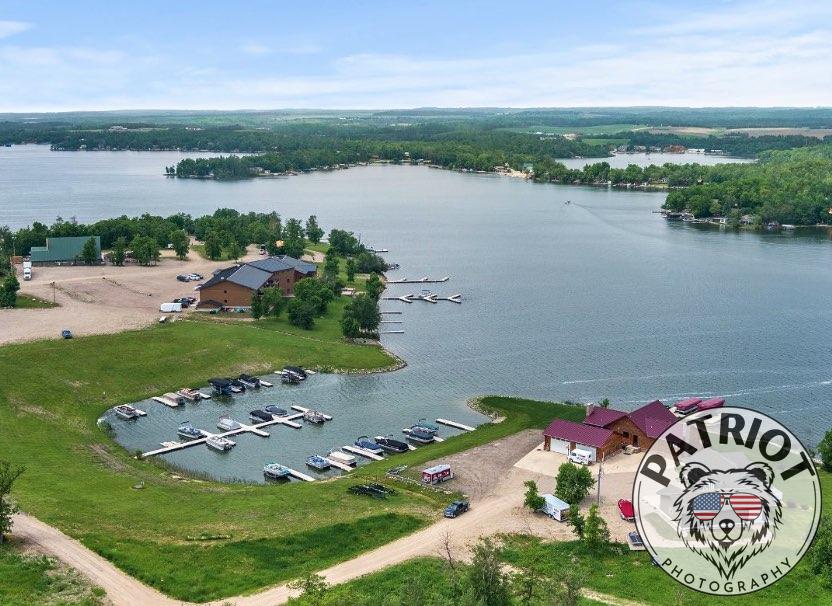
Drones can capture stunning aerial imagery that can’t be replicated with ground-level shots. Aerial shots can provide a sense of grandeur and scale that ground-level shots can’t match. By using drones, photographers can capture images that showcase the entire building or structure, giving viewers a sense of the building’s size and scope. This is especially useful for capturing images of large-scale buildings such as skyscrapers or landmarks.
4. Time-Saving
Using drones for architectural photography can be a time-saver. Drones can capture multiple shots in a short amount of time, allowing photographers to cover a lot of ground quickly. Additionally, drones can be flown to different locations without the need for photographers to move their equipment, saving them time and effort.
5. Cost-Effective
Using drones for architectural photography can also be cost-effective. In the past, capturing aerial images required the use of helicopters or planes, which can be expensive. Drones offer a more cost-effective alternative that provides similar results. Additionally, drones can be used repeatedly without incurring additional costs, making them a more sustainable option.
Conclusion
In conclusion, using drones for architectural photography can provide a range of benefits, including unique perspectives, access to difficult-to-reach areas, stunning aerial imagery, time-saving, and cost-effectiveness. By using drones, photographers can capture images that stand out from the crowd and showcase buildings and structures in a way that can’t be replicated with ground-level shots. As the technology continues to advance, the possibilities for drone photography are endless.